




Tariff Resource Center
Last Updated:
Tariff Policy Updates
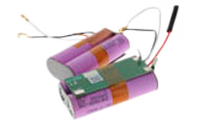
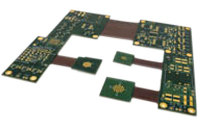
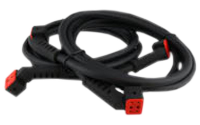
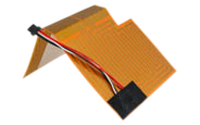
Tariff regulations continue to change quickly, and those changes can affect pricing, sourcing, customs clearance, and production planning across many electronic product categories. To help customers stay informed, we regularly add new tariff-related updates to this page, including recent policy changes, industry guidance, customs developments, and supply chain considerations that may affect printed circuit boards, cable assemblies, battery packs, flexible heaters, user interfaces, and other custom electronic products.
Check back often for the latest updates. In many cases, this page will be updated two to three times per week as new information becomes available.
Recent Updates
– The United States has implemented a ban on nearly $1 billion worth of Canadian imports, including alcoholic beverages, certain dairy products and motorcycles. The ban took effect September 29 and follows earlier U.S. tariffs of 50% on about $20 billion in Canadian goods and Canada’s retaliatory tariffs on U.S. exports. The new restrictions are expected to have a relatively limited overall economic impact because many of the affected products were already facing high tariffs, with alcoholic beverages accounting for most of the banned trade. The dispute is also adding uncertainty to the future of the USMCA trade relationship as Canada looks to expand trade with markets outside the United States.
Read more about the U.S. ban on certain Canadian imports.
- Iran has proposed reopening the Strait of Hormuz and resuming nuclear talks with the United States within seven days if Washington agrees to conditions tied to an earlier ceasefire framework. The proposal comes as shipping through the strait remains severely restricted, with vessel traffic falling to well below normal levels and oil markets continuing to react to the disruption. The discussions are also overlapping with U.S.-China talks, as Washington seeks China’s help in negotiations with Iran and continues to press Beijing over its economic ties with Tehran. Meanwhile, broader regional tensions remain elevated following renewed missile and drone attacks involving the Houthis and Saudi Arabia.
Read more about Iran’s proposal to reopen the Strait of Hormuz and restart talks with the U.S.
– The U.S. and China struck a cooperative tone during President Xi Jinping’s visit to Washington, while major disagreements over trade, artificial intelligence, Iran and technology remain. The two governments are discussing a possible extension of their current trade truce into 2027, following last year’s agreement to reduce some tariffs and ease Chinese export controls on critical minerals. Despite that truce, average tariffs remain high, at more than 36% on Chinese goods entering the U.S. and around 30% on U.S. goods entering China, according to the Congressional Research Service cited by NPR. The countries are also discussing a notification system for AI incidents with national security implications, while U.S. pressure on Iran and China’s continued trade with Tehran remain additional points of tension.
Read more about U.S.-China trade talks and the ongoing tariff truce.
- U.S. President Donald Trump and Chinese President Xi Jinping are meeting in Washington as the two countries seek to maintain stability while continuing to compete over trade, artificial intelligence, critical technologies, and other economic issues. The U.S. and China have moved away from the broad tariff escalation seen previously, but both continue to use more targeted measures such as company restrictions, technology export controls, and product-specific trade actions. Current U.S. measures include a 12.5% tariff tied to forced-labor concerns, while an additional 7.5% tariff on Chinese imports is planned in connection with concerns over industrial overcapacity. Despite these tensions, both governments are continuing trade discussions and exploring limited cooperation in areas such as AI incident reporting.
Read more about U.S.-China trade and technology discussions.
- The House passed the Lindsey O. Graham Sanctioning Russia and Iran Act by a 262-159 vote, clearing the legislation for the president’s consideration. The bill would expand sanctions on Russian officials, companies, financial institutions, and other entities tied to Russia’s war in Ukraine, while also authorizing tariffs of up to 100% on certain countries that purchase Russian oil and natural gas or facilitate sanctions evasion. The legislation previously passed the Senate 86-11 and now heads to the White House.
Read more about the Russia sanctions and tariff bill.
– A Senate-passed sanctions bill targeting Russia and Iran is moving toward a House vote and would authorize tariffs of up to 500% on Russian imports and up to 100% on certain countries that buy Russian energy or help evade sanctions. The legislation has broad support for strengthening sanctions on Russia, but some House Democrats have raised concerns about expanding presidential tariff authority and have proposed amendments to narrow or remove the secondary tariff provisions. The House Rules Committee took up the bill on September 14, setting it up for possible consideration by the full House.
Read more about the proposed Russia sanctions and tariff legislation.
– Global container shipping volumes reached a record 17.3 million TEUs in July 2026, up 4.5% from a year earlier, while year-to-date volumes increased 5.1%. Freight rates also remained elevated, with the CTS Global Price Index rising 47% since the beginning of the year amid shipping disruptions and strong demand. Asia led export growth with volumes up nearly 9% through July, while Europe and Sub-Saharan Africa recorded strong import growth. Despite operational challenges and higher shipping costs, global container trade remained at historically high levels.
Read more about shipping volumes
– The U.S. has announced additional Section 338 trade measures against Canada following new Canadian retaliatory tariffs on about $20 billion of U.S. exports. The changes include import bans on certain Canadian alcoholic beverages, dairy products, and other goods that had previously been subject to 50% tariffs, while the scope of existing tariffs is also being revised by removing some products, including rock salt and cement, and adding others such as ATVs and additional dairy products. The revised tariff coverage will take effect September 15, 2026, and the new import bans will begin September 29, 2026. Covered goods remain subject to the measures regardless of USMCA origin, and the Section 338 tariffs apply alongside applicable Section 232 duties.
Read more about the trade measures against Canada.
- President Donald Trump said the U.S. could halt trade with countries that maintain trade surpluses with the United States if the Federal Reserve does not lower interest rates. The proposal could potentially affect dozens of major U.S. trading partners, although no formal trade action, tariff, or implementation plan has been announced. Trump cited Canada as one example and argued that reducing or ending trade with deficit partners could narrow U.S. trade deficits. The comments come as the Federal Reserve maintains its benchmark rate at 3.50% to 3.75% and continues to weigh inflation, employment, and other economic conditions ahead of its next policy meeting.
Read more about potential U.S. trade restrictions tied to interest rates.
– The U.S. has imposed its first Section 338 tariff, applying a 50% duty to roughly $20 billion worth of Canadian imports after trade negotiations failed to produce an agreement. The tariff took effect August 22 and covers products including alcoholic beverages, cosmetics, sporting goods, cement, paper and wood products, textiles, machinery, jewelry, furniture, and other items, while energy, potash, certain fish and critical minerals, Section 232 products, and qualifying civil aircraft goods are excluded. Canada has announced plans for reciprocal tariffs on U.S. goods beginning September 8, targeting sectors such as steel, dairy, appliances, agricultural equipment, pulp and paper, and electronics. The U.S. has also indicated that tariffs on Canadian cars, trucks, and auto parts could increase to 50% beginning January 1, 2027.
Read more about the Section 338 tariff.
- The U.S. has announced a new round of sanctions targeting Iran and warned countries that continue doing business with Iran that they could face secondary U.S. sanctions or other financial penalties. Treasury Secretary Scott Bessent said the administration is urging foreign governments and companies to cut trade and financial ties with Iran, although specific countries and penalties were not detailed. The move adds to existing economic pressure on Iran, whose currency has fallen to record lows and whose economy is already dealing with high inflation, declining growth, and disruptions tied to the ongoing conflict.
Read more about the sanctions.
- Trade negotiations between the United States and Canada ended without an agreement, allowing new 50% U.S. tariffs to take effect on roughly $20 billion worth of Canadian goods. The duties apply to products including motor vehicles, alcoholic beverages, dairy products, agricultural goods, textiles, cosmetics, furniture, electronics, machinery, and toys, with no USMCA exemption for covered products. Energy products, potash, fish, critical minerals, and goods already subject to Section 232 tariffs are exempt. Canada has announced plans to respond with reciprocal tariffs on U.S. goods beginning September 8, targeting sectors including steel, dairy, appliances, agricultural equipment, pulp and paper, and electronics.
Read more about the negotiations.
- The U.S. copper market is increasingly reflecting expectations for possible new Section 232 tariffs on refined copper. The Commerce Department has recommended a phased tariff of 15% beginning January 1, 2027, increasing to 30% in 2028, although a final decision has not yet been announced. The uncertainty has widened the price premium between U.S. COMEX copper and London prices, contributing to a surge in copper imports, with U.S. inflows reaching a 12-year high in July. The U.S. already applies a 50% tariff to certain semi-finished copper products, while traders and manufacturers are closely watching for a decision on whether additional duties will be extended to refined copper.
Read more about possible new copper tariffs.
- A new proclamation imposes tariffs on imported drones and drone components, with rates based on size, capabilities, and country of origin. Certain larger drones, drones with thermal imaging, docking stations, and critical components will face a 100% tariff, while smaller drones and other components will generally face a 25% tariff. Qualifying products from the European Union, Japan, Liechtenstein, South Korea, Switzerland, and Taiwan will face a 15% tariff, while qualifying products from the United Kingdom will face a 10% tariff. Most tariffs will take effect 21 days after signing, while some less-sensitive components and approved exempt products will have a 180-day implementation period. The proclamation also directs the Department of Commerce to establish an onshoring program to encourage new U.S. investment in drone and component manufacturing.
Read more about the proclamation.
- Canada and the United States are continuing trade negotiations ahead of an August 19 deadline, when new 50% U.S. tariffs are scheduled to take effect on certain Canadian imports. Canadian officials say talks are progressing well and that both sides are working toward an agreement before the deadline. The proposed tariffs would cover nearly $20 billion in Canadian goods, or about 5.2% of total U.S. imports from Canada in 2025, while negotiations continue alongside broader discussions over the future of the USMCA trade agreement.
Read more about the trade negotiations.
- A federal trade court has upheld the elimination of the $800 de minimis exemption, allowing low-value imports to remain subject to applicable duties and standard customs entry requirements. The ruling rejected a challenge from auto-parts distributor Detroit Axle, finding that the president had legal authority under the International Emergency Economic Powers Act to suspend the exemption. The decision keeps in place the end of duty-free treatment that had previously allowed many shipments valued under $800 to enter the United States without import taxes.
Read more about the court’s ruling.
- The U.S. Senate approved a bipartisan sanctions package by an 86-11 vote that would penalize countries continuing to purchase Russian oil, gas, and other exports. The legislation is intended to reduce revenue flowing to Russia and also includes sanctions related to Iran. The measure follows more than a year of negotiations and now moves to the House, where approval would send it to the president for consideration.
Read more about the Senate-approved package.
- A new Section 232 action establishes minimum import prices for certain polysilicon and solar products entering the United States. The minimum prices are set at $21 per kilogram for polysilicon, $100 per kilogram for polysilicon ingots and wafers, $0.22 per watt for solar cells, and $0.38 per watt for solar modules. The requirements apply to specific HTSUS classifications covering high-purity silicon, doped silicon wafers, photovoltaic cells, and assembled solar modules, with U.S. Customs and Border Protection responsible for questions regarding product classification and scope.
- A bipartisan Senate bill would give the president authority to impose major new tariffs as part of expanded sanctions targeting Russia and Iran. If enacted, it could apply tariffs of up to 500% on Russian imports and up to 100% on goods from the largest buyers of Russian oil and gas, potentially affecting imports from China, India, and parts of the European Union. The bill limits the energy-related tariffs to the five largest importers and allows reductions for countries that significantly cut their Russian energy purchases, while also giving the president authority to issue national-interest waivers. Business groups have warned that the measure could raise costs and create further uncertainty for U.S. companies, and its prospects in the House remain unclear despite bipartisan support in the Senate.
Read more about the potential tariffs on Russia and Iran.
- The Office of the U.S. Trade Representative is nearing completion of a Section 301 investigation into industrial overcapacity and related trade practices involving 16 major trading partners, including China, Vietnam, Mexico, and the European Union. The investigation focuses on whether government-supported manufacturing policies have created excess capacity that harms U.S. industries and distorts global markets. Depending on the findings, the USTR could propose another round of tariffs on a broad range of imported goods, continuing the shift toward country- and practice-specific trade actions under Section 301.
Read more about the Section 301 investigation.
– The U.S. Trade Representative has imposed new Section 301 tariffs on imports from 60 trade partners following investigations into whether those economies prohibit and effectively enforce restrictions on goods produced with forced labor. Most affected imports are subject to additional duties of either 10% or 12.5%, with adjusted rates for products from the European Union, Taiwan, Japan, South Korea, and Switzerland based on their existing most-favored-nation tariff levels. Certain raw materials, products with limited domestic availability, and goods that could create broader supply disruptions are exempt. The tariffs took effect at 12:01 a.m. ET on July 24, 2026, with a limited exception for qualifying goods already in transit before that date and entered before July 28. Separate tariff-rate quotas are also planned for certain textile and apparel imports from Bangladesh, Cambodia, Indonesia, and Malaysia.
- New tariffs ranging from 10% to 12.5% have taken effect on imports from 60 U.S. trade partners following a review of forced-labor practices. The duties replace the temporary 10% global tariffs that expired at the same time and cover approximately 99.4% of U.S. trade. The new tariffs were issued under Section 301 of the Trade Act of 1974 and will not be added to existing Section 232 duties on steel and aluminum.
Read more about the new tariffs
- A new proclamation will impose an additional 50% tariff on certain Canadian products entering the United States beginning August 19, 2026. The action is tied to Canada’s tariff treatment of U.S. motor vehicles and follows a reported decline of approximately 22% in U.S. vehicle exports to Canada from April 2025 through March 2026 compared with the previous year. The new duties will generally apply on top of other existing tariffs and charges, with certain exceptions, while the specific products affected are identified in the proclamation’s annexes.
Read more about the new Canadian tariffs
- The Trump administration is working to replace its expiring 10% global tariffs with more durable tariffs under Section 301. With the current Section 122 tariffs set to expire July 24, additional country-specific trade actions could be announced as the administration seeks to maintain tariff revenue and pressure trading partners over alleged unfair trade practices.
Read more about Section 122 tariffs
- The U.S. announced a 25% tariff on most imports from Brazil, effective July 22, following a Section 301 investigation into alleged unfair trade practices. Certain products are exempt, while a separate forced-labor investigation could result in an additional 12.5% duty on Brazilian goods.
Read more about the tariff on Brazil
- USTR held a public hearing on proposed Section 301 forced-labor tariffs of 10% and 12.5% on imports from 60 economies. After the hearing, USTR will review testimony and written comments before deciding whether to finalize the tariffs, revise the proposal, or provide exemptions.
Read more about the proposed Section 301 forced-labor tariffs.
- The U.S. has declined to renew USMCA for a new 16-year term and will instead move the agreement into annual reviews. While USMCA remains in effect, this may create added uncertainty for companies sourcing or producing goods in North America.
Read more about the USMCA renewal decision and origin compliance risk.
Logistics & Shipping Updates
Changes in tariff policies can affect more than product pricing. New documentation requirements, customs reviews, country-of-origin verification, and changes in carrier or port capacity may also impact shipping schedules and clearance times.
Epec works closely with suppliers, freight carriers, customs brokers, and logistics partners to help prepare accurate documentation, identify potential delays, and keep customers informed throughout the shipping process. While unexpected customs holds may still occur, proactive planning can help reduce disruption and improve delivery predictability.
Recent Updates
- Ocean shipping rates from Asia to the United States remain sharply higher following disruptions tied to the Iran conflict and a surge in shipments ahead of new U.S. tariffs. Since February 28, spot rates have increased approximately 231% to the U.S. West Coast and 234% to the East Coast, reaching $6,225 and $8,846 per forty-foot container, respectively. Rates are now beginning to softening as demand cools and the peak shipping season appears to have ended early, but declines are expected to be gradual as carriers manage capacity and add surcharges tied to higher fuel costs and geopolitical uncertainty.
Read more about ocean shipping rates.
- U.S. Customs and Border Protection has indefinitely suspended the $800 de minimis exemption for low-value imports arriving by mail and all other transportation methods. As a result, shipments valued at $800 or less are now subject to applicable duties, taxes, fees, and standard formal or informal customs entry requirements. Beginning July 24, 2026, qualifying international mail shipments valued at $2,500 or less may use a new informal process that requires an authorized filer to submit detailed monthly shipment data, including 10-digit tariff classifications, and pay duties electronically by the seventh day of the following month. Certain regulated goods, including products subject to quotas, trade remedies, or other agency requirements, generally must use formal entry procedures.
Read more about the de minimis exemption.
- President Donald Trump has proposed a 20% fee on ships passing through the Strait of Hormuz, arguing that vessels should compensate the U.S. for ensuring safe passage. Shipping executives warn the plan could further reduce traffic and have criticized charging tolls for an international waterway with no comparable infrastructure investment. The proposal also conflicts with a mid-June ceasefire agreement that barred Iran from charging commercial vessels.
Read more about the proposed fee.
- Container shipping rates are rising sharply as strong peak-season demand, rather than Middle East disruptions or oil prices, drives the market. Asia to U.S. West Coast and East Coast rates both increased 8%, while trans-Pacific prices have climbed as much as 120% since mid-May. Carriers are shifting capacity, revising routes, and expanding fleets as they try to balance high demand, schedule reliability, and ongoing geopolitical risks.
Frequently Asked Questions
Quick Links
- How Do Tariffs Affect My Project?
- Will Epec Notify Me if Tariffs Impact My Order?
- Can Epec Help Reduce the Impact of Tariffs?
- Does Epec Manufacture Outside of China?
- Can Inventory Stocking Help Protect Against Future Tariff Increases?
- What Products Could be Affected by Tariffs?
- Will My Lead Times Change Because of Tariffs?
- Should I Place Orders Earlier than Normal?
- When Will Pricing Reflect Changes in Tariff Regulations?
- Will Customers Receive Reimbursement for Previously Assessed Tariff Charges?
- How Would a Potential Refund Program Be Managed?
- Can Epec Issue Credits Before Government Refunds Are Received?
- Why Have Some Tariff Recovery Charges Increased Despite Recent Tariff-Related News?
- How Often Does Epec Update This Page?
How Do Tariffs Affect My Project?
Tariffs may increase the landed cost of imported materials or finished products depending on the country of origin, product classification, and current U.S. Customs regulations. The impact varies by product and manufacturing location.
Will Epec Notify Me if Tariffs Impact My Order?
Yes. If a tariff change affects an existing quote or production order, your Epec representative will, whenever possible, communicate any potential impact and discuss available options before proceeding.
Can Epec Help Reduce the Impact of Tariffs?
Absolutely. Depending on your product, we may be able to recommend alternative manufacturing locations, alternative materials, design modifications, or inventory planning strategies that help reduce overall cost and minimize future risk.
Does Epec Manufacture Outside of China?
Yes. Epec maintains a global manufacturing network and works with qualified manufacturing partners in multiple regions. This flexibility allows us to recommend the best manufacturing strategy based on technical requirements, cost, lead time, and current trade conditions.
Can Inventory Stocking Help Protect Against Future Tariff Increases?
In many cases, yes. Our Inventory Stocking Program allows customers to purchase product under current pricing while scheduling releases over time. This can help reduce exposure to future tariff changes, material shortages, and extended lead times.
What Products Could be Affected by Tariffs?
Tariff policies may affect products across many categories, including:
- Printed Circuit Boards (PCBs)
- Flex & Rigid-Flex PCBs
- Cable Assemblies & Wire Harnesses
- Custom Battery Packs
- Flexible Heaters
- User Interfaces
- CNC Machined Components
The actual impact depends on product origin, materials, and current trade regulations.
Will My Lead Times Change Because of Tariffs?
Tariffs themselves don't always increase lead times, but they can shift global demand and manufacturing capacity. Customers often experience longer lead times when sourcing shifts between countries or when manufacturers adjust production capacity.
While tariffs themselves do not typically create manufacturing delays, they can significantly impact customs clearance times. Each new tariff program introduces additional documentation, classification requirements, country-of-origin declarations, and compliance reviews that must be completed before a shipment can be released by customs authorities.
As tariff regulations continue to change, customs brokers, carriers, and importers are frequently required to provide additional information to support the proper assessment of duties. If requested documentation is incomplete, inaccurate, or not provided promptly, shipments may be held for further review, resulting in delays of several days or longer. In some cases, customs agencies may request clarification after a shipment has already arrived, creating unexpected disruptions even when products have been manufactured and shipped on schedule.
For this reason, Epec works closely with our logistics partners, customs brokers, and suppliers to ensure all required documentation is prepared in advance. However, in today's rapidly changing tariff environment, occasional customs delays remain possible as government agencies and importers adapt to new regulations and reporting requirements.
Should I Place Orders Earlier than Normal?
For production programs or forecasted demand, placing orders earlier can provide greater flexibility and reduce the risk of future cost increases or supply disruptions. Your Epec team can help determine the best ordering strategy for your application.
When Will Pricing Reflect Changes in Tariff Regulations?
Unlike many companies that incorporate tariff costs into product pricing, Epec separately identifies and itemizes applicable tariff charges on customer quotations, order acknowledgments, and invoices whenever possible. This approach provides complete transparency, allowing customers to clearly see the impact of government-imposed duties rather than having those costs embedded within product pricing.
As tariff regulations evolve, including recent developments surrounding IEEPA and Section 122 tariffs, Epec is actively reviewing the impact on our imported materials and components. Because tariff costs are broken out as separate line items, customers should expect to see adjustments reflected directly in those charges as the underlying obligations become clear and are implemented throughout the supply chain. Our goal is to ensure customers pay only the actual tariff-related costs incurred and to provide full visibility into any increases or decreases resulting from government policy changes.
Will Customers Receive Reimbursement for Previously Assessed Tariff Charges?
At this time, there is no confirmed process for tariff reimbursements. We encourage customers to review the ECIA publication, "Journey from Federal Refund to Your Pocket: A Realistic Timeline," which provides an excellent overview of the numerous legal, administrative, and logistical steps that must occur before any potential refunds could be distributed.
How Would a Potential Refund Program Be Managed?
The details surrounding possible tariff refunds remain uncertain. Several factors must be resolved before any reimbursement process can be considered, including:
- Which tariffs, if any, qualify for refunds
- The timing and likelihood of government reimbursement
- How the administration will communicate which tariffs are being refunded
- Whether refunds will flow through the entire supply chain
- Administrative costs associated with processing claims
- Ongoing litigation and regulatory uncertainty
Until these issues are clarified, it is not possible to establish a definitive refund methodology. Epec will continue working closely with suppliers, industry organizations, and customers as additional information becomes available.
Can Epec Issue Credits Before Government Refunds Are Received?
No. Tariffs are duties collected by U.S. Customs and Border Protection at the time products enter the country. Any consideration of customer credits would require confirmation that corresponding duties have first been refunded through the applicable government process.
Why Have Some Tariff Recovery Charges Increased Despite Recent Tariff-Related News?
Tariff regulations continue to evolve rapidly, and the impact on global supply chains remains complex. Epec regularly reviews tariff exposure across our products and services while balancing the cost increases absorbed by both Epec and our supplier partners. As market conditions change, adjustments to tariff recovery charges may be necessary to accurately reflect actual costs incurred. Our objective remains to provide a fair, transparent, and sustainable approach while minimizing disruption to our customers.
How Often Does Epec Update This Page?
This page is updated whenever significant trade policy changes could affect our customers. Because tariff regulations can change quickly, we encourage customers with active projects to contact us directly for the latest information.
Navigating Tariffs Without Disrupting Your Supply
Global trade policies continue to evolve, and changes to tariffs can significantly affect the cost and availability of printed circuit boards, cable assemblies, battery packs, flexible heaters, user interfaces, CNC-machined components, and other custom electronic products. As new regulations are introduced or existing exemptions expire, manufacturers may experience unexpected cost increases, longer lead times, or sourcing challenges.
At Epec, we continuously monitor changes that affect the electronics manufacturing industry so our customers can make informed purchasing decisions. Our engineering, sourcing, and supply chain teams work proactively with customers to identify potential risks, recommend alternative manufacturing strategies, and help minimize disruptions whenever possible.
Whether you're planning production months in advance or responding to changing market conditions, Epec offers solutions designed to improve supply chain stability, including inventory stocking programs, multiple global manufacturing locations, engineering support for alternative materials or designs, and transparent communication throughout your project.
Need Help Evaluating Your Supply Chain?
If you're concerned about how changing tariffs or global supply chain conditions may affect your next project, our engineering and supply chain teams are here to help. Whether you're evaluating a new design, reviewing an existing product, or planning future production, Epec can help you identify the best manufacturing strategy for your application.
Questions?
Contact your Epec representative to discuss your project with our engineering team.