
Flex Heater Design: Shape and Size
When determining your flexible heater needs, let us help navigate you through all the different attributes and design options. By working with your design engineers, we can help you create a custom product that’s specific for your application needs. Check out these tips for designing flexible heaters for cost-effective manufacturing.
At a Glance: Flex Heater Design
- Flexible heaters can be manufactured in standard or custom shapes, including rectangular, square, circular, triangular, diamond, narrow-profile, and application-specific geometries.
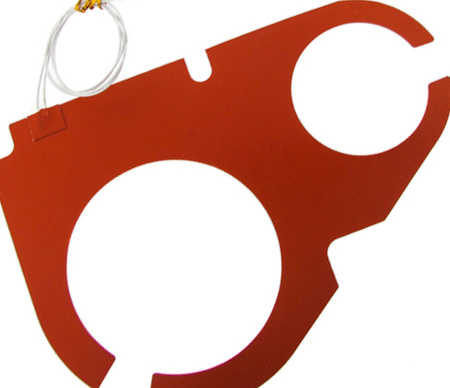
- Laser cutting technology enables complex outlines, cutouts, holes, and tight dimensional tolerances while maintaining electrical and thermal performance requirements.
- Design options such as multizone heating, sensor accommodations, cable pass-throughs, and custom contours allow heaters to be tailored to specific equipment and operating conditions.
Designed To Fit Your Application
The size and shape of your custom flexible heater will be determined by your final application. Standard shapes are square, rectangular, or round but any desired shape can be custom designed and produced to meet your electrical and thermal performance requirements. Most size, shape or contour can be used to apply direct and efficient heat without decreasing reliability.
We utilize state of the art capabilities such as laser cutting of outlines, allow us to offer endless shape configurations with tight dimensional tolerances with all our flexible heater products.
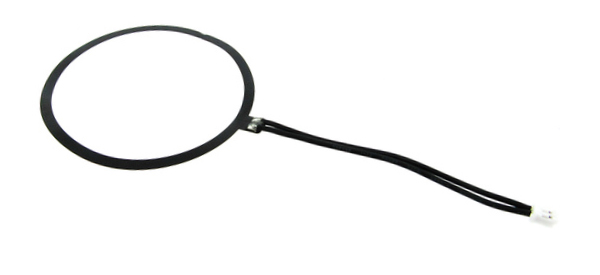
Variety Of Geometries
Flexible heaters can be manufactured in a variety of geometries to fit specific heating requirements.
Most common geometries of flexible heaters include:
- Rectangular or square-shaped heaters
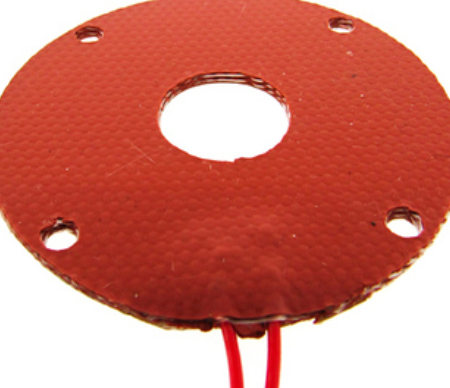
- Circular heaters
- Triangular or diamond-shaped heaters
- Thin, narrow, or long heaters
- Custom-shaped heaters designed to fit specific equipment or machinery.
- Multi-zone heaters with different temperature zones across the surface of the heater. Multizone flexible heaters are a type of heating system that is designed to be adaptable and customizable. These heaters consist of multiple heating zones that can be independently controlled, allowing users to adjust the temperature in different areas of the heater as needed.
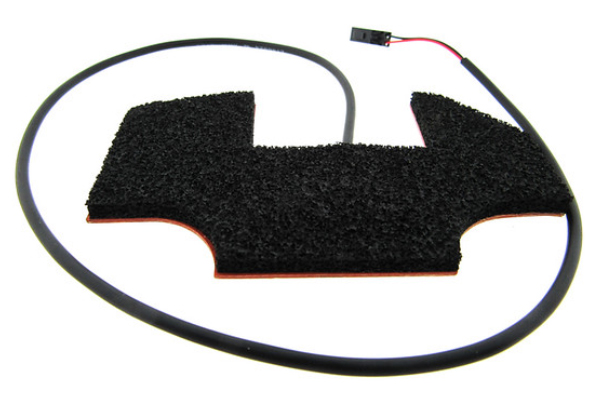
- Heaters with cutouts for sensors, cables, or other components. Several types of sensors can be used with flexible heaters, depending on the specific application requirements. The type of sensor used with a flexible heater will depend on the specific temperature range, accuracy, and response time requirements of the application.
- Holes can be placed in flexible heaters for a variety of reasons, such as to accommodate mounting points, sensors, or other components. These holes can be created using methods such as punching, drilling, or laser cutting.
The choice of geometry will depend on the heating application, available space, and other factors such as the desired wattage density, temperature range, and operating conditions.
Frequently Asked Questions
Quick Links
- What shapes can flexible heaters be manufactured in?
- How is the size and shape of a flexible heater determined?
- What are multizone flexible heaters?
- Can flexible heaters include holes, cutouts, and sensor openings?
- What factors influence the choice of flexible heater geometry?
What shapes can flexible heaters be manufactured in?
Flexible heaters can be produced in a wide range of shapes to match the needs of the final application. Common configurations include rectangular, square, circular, triangular, and diamond-shaped heaters. Thin, narrow, and elongated designs are also available for applications with space constraints. Custom contours and unique geometries can be manufactured to fit specific equipment or mechanical assemblies.
How is the size and shape of a flexible heater determined?
The heater's size and shape are primarily driven by the final application and its heating requirements. Designers must consider available space, the area requiring heat, and any mechanical constraints within the product. Electrical and thermal performance requirements also influence the final geometry. Most shapes and contours can be designed to deliver efficient heat transfer without compromising reliability.
What are multizone flexible heaters?
Multizone flexible heaters contain multiple independently controlled heating zones across a single heater assembly. This allows different areas of the heater to operate at different temperatures as application requirements change. Multizone designs provide greater flexibility when temperature control is needed in specific locations. They are commonly used when heat distribution requirements vary across a surface or assembly.
Can flexible heaters include holes, cutouts, and sensor openings?
Yes. Flexible heaters can be designed with cutouts and holes to accommodate mounting hardware, sensors, cables, connectors, or other components. These features may be produced through punching, drilling, or laser-cutting processes. Openings can be incorporated into both standard and custom heater designs. Including these features during the design phase helps ensure proper fit and integration into the final assembly.
What factors influence the choice of flexible heater geometry?
The optimal heater geometry depends on the application, available installation space, and heating objectives. Designers should consider factors such as watt density requirements, operating temperature range, environmental conditions, and component placement. Additional requirements such as sensor integration, multiple temperature zones, or unique mounting constraints may also affect the design. Selecting the proper geometry helps balance thermal performance, manufacturability, and system reliability.
Craft the Perfect Heating Solution with Our Expertise!
Navigating the world of flexible heaters can be challenging. Let our team work side by side with your engineers to tailor-make a heater solution that's optimal for your specific application. Whether it's standard shapes or unique geometries, laser-cut precision or multizone temperature controls, we've got the expertise and technology to bring your vision to life. Don't settle for off-the-shelf. Let's co-design the ideal flexible heater for your needs. Engage with our team today!
Request a Quote Request Design Support Request More InformationRequest a FREE Quote!
We are here to help with all your custom flex heater needs.
Get Your Quote Now! Not Ready for a Quote? Request more info or email us your inquiry.