

PCB Quality Control Systems
PCB quality control systems extend beyond standard testing methods to ensure consistency, traceability, and material integrity throughout production. In addition to IPC requirements, enhanced verification processes confirm laminate properties, surface finish quality, and cleanliness levels before assembly. These controls reduce risk by identifying issues that are typically only discovered after population or during use.
PCB quality is often associated with in-process inspection tools such as Flying Probe testing and Automated Optical Inspection (AOI). While these systems are essential, they represent only one part of a complete quality management approach.
Modern PCB quality control requires additional verification steps that address material properties, process consistency, and long-term reliability. Although IPC standards provide a baseline for acceptable quality, advanced quality systems incorporate additional safeguards to ensure that every circuit board meets stricter performance expectations.
At a Glance: PCB Quality Control
- PCB quality control systems go beyond standard inspection tools to verify materials, processes, and cleanliness before assembly.
- Additional controls, including laminate Tg and Td verification and surface finish measurement, help prevent issues that often appear later in production.
- Enhanced processes aligned with and exceeding IPC standards improve traceability, consistency, and overall PCB reliability.
Extending Beyond IPC Standards
IPC provides widely recognized guidelines for PCB quality and acceptance. However, meeting IPC alone does not guarantee that all material and process variables are controlled.
Enhanced quality systems build on IPC by:
- Verifying incoming materials against specified requirements
- Monitoring critical manufacturing parameters on every job
- Providing traceable records tied to each shipment
These added processes reduce variability and help identify potential issues before they impact assembly or field performance.
Random Laminate Tg and Td Verification
Most PCB customers do not have the capability to independently confirm laminate properties before assembly. As a result, material discrepancies may go unnoticed until after components are populated.
To address this risk:
- Random production jobs are selected multiple times per month
- Laminate samples are sent to a third-party laboratory
- Tg and Td values are verified against specified materials
Results are shared with suppliers to ensure proper material handling, segregation, and labeling. This process helps confirm that the correct laminate is consistently used in production.
Thickness and Purity Measurement of Surface Finishes
Surface finish quality directly impacts solderability and assembly performance, yet it is rarely verified by customers.
To control this variable:
- Metal thickness and purity are measured on every job
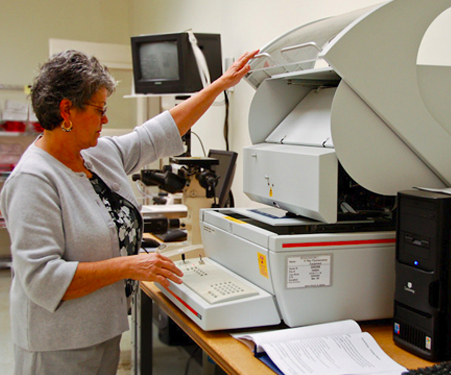
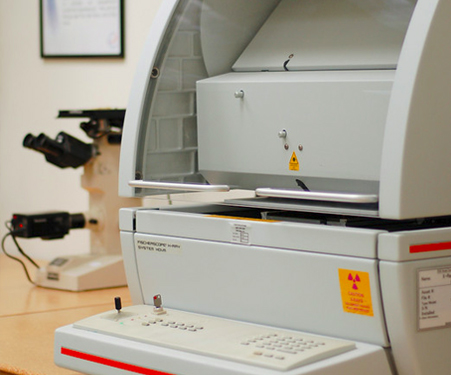
- An X-Ray Fisherscope is used to validate plating characteristics
- Results are reviewed and shared with suppliers
Continuous verification ensures that surface finishes meet requirements and helps prevent issues that typically emerge during assembly.
Full Inspection Documentation and Traceability
For applications with strict performance requirements, a comprehensive inspection and documentation system is required to validate every PCB.
This approach includes:
- Complete testing and inspection procedures
- Solder samples and cross-section analysis
- Electronic record retention by shipment
Maintaining detailed documentation ensures traceability and allows records to be retrieved at any time for verification or review.
Ultra Clean Ionic Cleanliness Requirements
Ionic contamination can lead to reliability issues if not properly controlled. IPC defines acceptable cleanliness levels, but some applications require significantly tighter limits.
To meet these requirements:
- An in-house cleaning process is used
- Circuit boards undergo an ultrasonic alcohol bath
- A conveyorized cleaning and drying process follows
- Parts are immediately vacuum sealed after cleaning
This process enables PCB cleanliness levels well below standard IPC limits and helps ensure consistent performance in sensitive applications.
Quality Assurance in Practice
A complete PCB quality control system integrates inspection, verification, and process control at every stage of manufacturing. By validating material properties, monitoring surface finishes, and enforcing strict cleanliness standards, potential defects can be identified early.
These measures reduce the likelihood of failures that would otherwise appear during assembly or under operational stress, improving overall reliability and consistency.
Frequently Asked Questions
Quick Links
- How does IPC apply to PCB quality control?
- Why verify laminate Tg and Td values?
- Why measure surface finish thickness and purity?
- What is included in a full inspection package?
- Why is ionic cleanliness important?
How does IPC apply to PCB quality control?
IPC provides industry-standard guidelines for PCB quality and acceptance criteria. These standards serve as a baseline, but additional processes are often required to ensure tighter control over materials and manufacturing performance.
Why verify laminate Tg and Td values?
Laminate properties affect how a PCB performs under heat. Verifying Tg and Td ensures that the correct material is used and helps prevent failures that may only appear after assembly.
Why measure surface finish thickness and purity?
Surface finish quality influences solderability and reliability. Measuring thickness and purity on every job helps detect issues before they affect assembly outcomes.
What is included in a full inspection package?
A complete inspection package includes testing data, solder samples, cross sections, and documented records that are retained for traceability and future reference.
Why is ionic cleanliness important?
Residual ionic contamination can impact long-term PCB reliability. Controlling cleanliness levels helps ensure stable electrical performance in demanding environments.
Experience PCB Quality Like Never Before
With our advanced quality management systems, we don't just rely on industry standards, instead we go above and beyond. Experience our customized quality assurance today!
Request a Quote Request Design Support Request More InformationRequest a FREE Quote!
We are here to help you with all your printed circuit board needs.
Get Your Quote Now! Not Ready for a Quote? Request more info or email us your inquiry.Ebook - Printed Circuit Boards Incoming Inspection Guide
 Download Your Copy
... Or Download Our Circuit Board Design Guide
Free DFM File Check
Submit your PCB data files and we will run a complete DFM check for manufacturability.
Submit Your Data