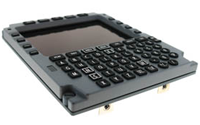
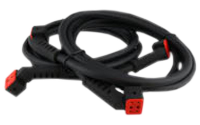
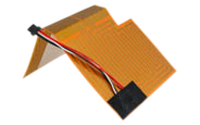
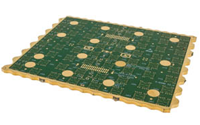

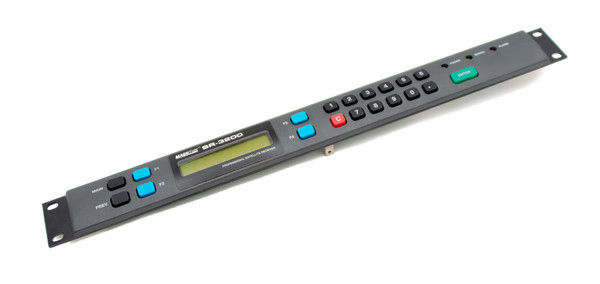
Higher Assembly Combination Keyboards
Custom user interfaces range from simple subassemblies to complex higher assembly combination keyboards. Custom designs can result in substantial system cost savings for OEMs in medium to large unit volumes by careful selection of construction techniques, materials, manufacturing processes and electrical interface.
Higher assembly combination keyboards are complete and fully tested for true "bolt-on, plug-in" final assembly. Epec's engineering specialists can suggest user interface solutions that are often overlooked by OEMs by thinking outside of the OEMs' product design experience.
At a Glance: Higher Assembly Combination Keyboards
- Higher assembly combination keyboards integrate multiple user interface components into a single fully tested assembly, delivering a true "bolt-on, plug-in" solution that simplifies final product assembly.
- Combining keypads, displays, electronics, shielding, environmental sealing, and mechanical components into a unified design can reduce procurement complexity, inventory requirements, assembly labor, and testing costs for OEMs.
- Successful combination keyboard designs focus on overall system integration, ensuring that all components work together efficiently rather than treating each element as a separate subsystem.
Combination Keyboard Design Elements
Higher assembly combination keyboard have a unified design, which addresses common system requirements such as:
- Physical mounting
- Styling that complements the end application's industrial design elements
- Electronic control of LCD displays, led indicators, and tactile dome switches
- EMI/ESD shielding
- Environmental sealing
- Electronic interface design
Tying all of the major components and requirements together needs attention to component interaction rather than treating the major components as individual items.
Higher assembly combination keyboards reduce OEM costs for procurement and inventory of associated parts and elimination of additional OEM assembly and test cost. Epec helps OEMs move from how user interface keyboards can be designed to how they should be designed to provide the best delivered value.
Combination Keyboard Features & Options
- Metal support panel with painted front surface and conductive chromate finish on rear surface to electrically bond with metal chassis
- Non-conductive rubber keypad with multiple color keytops and sculpted surface to match plastic and branding elements
- Environmentally sealed gold plated metal tactile dome switches
- Embedded LCD display
- Injection-molded plastic sculpted nose piece to accommodate the embedded LCD display thickness
- Decorative hard-coated window over LCD display
- Rear printed circuit board assembly with keyboard and display control electronics with I2C serial interface
- Mechanical hardware for attachment to the main chassis
Frequently Asked Questions
Quick Links
- What is a higher assembly combination keyboard?
- What are the benefits of using a combination keyboard assembly?
- What components can be integrated into a combination keyboard?
- How do combination keyboards improve product reliability?
- What customization options are available for combination keyboard assemblies?
What is a higher assembly combination keyboard?
A higher assembly combination keyboard is a complete user interface assembly that incorporates multiple mechanical, electrical, and display components into a single integrated product that is assembled and tested before delivery.
What are the benefits of using a combination keyboard assembly?
Combination keyboard assemblies can reduce the number of suppliers, simplify procurement, lower inventory carrying costs, eliminate additional assembly steps, and reduce OEM testing and integration efforts.
What components can be integrated into a combination keyboard?
Common components include rubber keypads, tactile dome switches, LCD displays, printed circuit boards, support panels, decorative windows, EMI/ESD shielding, mounting hardware, and interface electronics.
How do combination keyboards improve product reliability?
Because the assembly is designed as a complete system, engineers can address component interaction, environmental sealing, electrical integration, and mechanical fit during development, helping improve overall performance and reliability.
What customization options are available for combination keyboard assemblies?
Design options can include metal support panels, custom keypad colors and shapes, embedded displays, environmental sealing, backlighting, communication interfaces such as I2C, EMI/ESD protection, custom mechanical hardware, and branded industrial design elements.
Optimize Your System with Combination Keyboards
Our custom solutions not only reduce your procurement and inventory costs but also streamline your assembly process. Want to rethink how your user interface keyboards should be designed for maximum value? Talk to our engineering specialists for a consultation today.
Request a Quote Request Design Support Request More InformationRequest a FREE Quote!
We are here to help you with all your custom user interface needs.
Get Your Quote Now! Not Ready for a Quote? Request more info or email us your inquiry.