

Flex and Rigid-Flex PCBs for Portable Devices
Flex and rigid-flex PCBs enable compact, lightweight portable devices by reducing wiring complexity and allowing circuits to bend around components. These designs support high-speed, reliable performance across industries ranging from consumer electronics to medical and military applications.
Material choices such as polyimide and rigid-flex PCB constructions help balance flexibility with durability under real-world conditions.
At a Glance: Flexible PCBs for Portable Devices
- Flex and rigid-flex PCBs enable slim, lightweight portable devices by reducing wiring complexity and allowing circuits to bend around internal components.
- Materials such as polyimide, PTFE, and FR-4 support flexible layouts while maintaining performance, with rigid-flex designs adding durability for shock and temperature exposure.
- These PCB solutions are used across industries including consumer electronics, medical, and military applications where reliability, compact size, and high functionality are required.
Flexible Circuits for Portable Devices
Portable devices rely on printed circuit boards to control electronics and power systems within increasingly compact enclosures. Flex and rigid-flex PCBs are specifically suited to address the size, weight, and form factor constraints required for these designs.
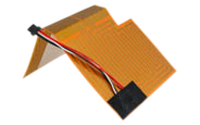
Flexible circuits reduce the need for multiple connectors and discrete wiring by incorporating etched copper traces within materials such as polyimide, PTFE, or FR-4. This construction allows the circuit to bend and conform to tight spaces, improving internal layout efficiency while eliminating unused volume. Polyimide materials in particular contribute minimal weight, enabling greater functionality within defined device specifications.
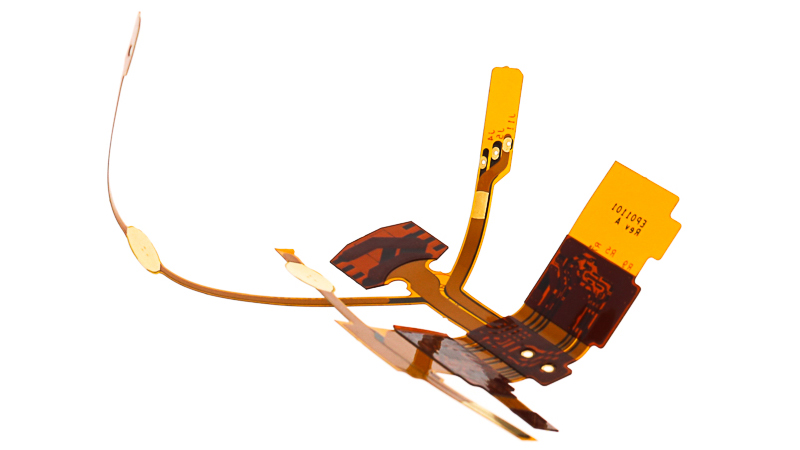
These characteristics make flex and rigid-flex PCBs well suited for applications requiring dense packaging, consistent electrical performance, and reliable mechanical integration.
Design and Manufacturing Challenges
Portable electronics present unique challenges that must be addressed during both design and manufacturing. In many cases, circuit boards must not only provide flexibility but also withstand mechanical shock and temperature changes encountered during operation.
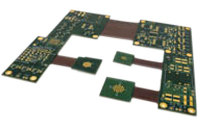
While flexible PCBs enable bending and compact routing, they may be less suited for environments involving repeated impact or thermal variation. In these situations, rigid-flex PCBs offer a balanced solution by combining flexible circuit sections with rigid areas that provide structural stability. This hybrid approach helps prevent cracking while maintaining the bendability needed for compact device layouts.
Material selection also plays an important role in performance. PTFE and FR-4 are commonly used to accommodate temperature fluctuations, while flexible polyimide layers support mechanical movement. Both flex and rigid-flex PCBs can be manufactured in multilayer configurations to support more complex circuitry and increased functionality.
To meet the precision required for portable devices, advanced manufacturing technologies are used to maintain tight tolerances and consistent production quality.
These processes include:
- X-Ray drilling
- Laser drilling and routing
- Laser direct imaging
- Plasma etching
- Autoclave lamination
- CNC and optical machining
Using appropriate equipment enables improved control over drill depth, lamination quality, and repeatability, contributing to higher yields and consistent performance across production runs.
Applications for Flex and Rigid-Flex PCBs
Flex and rigid-flex PCBs are widely used across portable device applications where space constraints, durability, and reliability are critical. While commonly associated with consumer electronics such as smartphones, tablets, laptops, and cameras, their use extends into industries requiring higher performance and regulatory compliance.
These industries include medical, aerospace, military, construction, warehousing, food service, and retail environments. Devices in these sectors often require precise control systems, high-speed operation, and dependable performance in demanding conditions.
Applications include:
- Wireless controllers
- Pacemakers
- Cochlear implants
- GPS devices
- Handheld radar equipment
- Barcode scanners
Compliance and Quality Requirements
Portable devices frequently require compliance with regional and international regulations. Many electronic products must meet Restriction of Hazardous Substances (RoHS) requirements in regions such as Europe, China, and the United States, although certain medical devices and monitoring equipment may be exempt.
In addition, industries such as medical and military impose strict quality and control standards to ensure reliable operation. Meeting these requirements is essential for devices used in critical environments.
Epec’s design and manufacturing operations are supported by certifications including J-STD-001, ISO 9001, and IPC Class III, ensuring processes align with recognized quality and reliability standards for high-performance electronics.
Customized Flex and Rigid-Flex PCB Solutions
Developing portable devices often requires tailored PCB solutions to meet specific mechanical, environmental, and functional requirements. Leveraging extensive experience in flex and rigid-flex PCB design and manufacturing, engineering teams guide material selection, layer configuration, and production processes based on application needs.
This approach enables the delivery of flexible circuit boards that meet performance expectations while maintaining manufacturability and consistency across production volumes.
Frequently Asked Questions
Quick Links
- What makes flex and rigid-flex PCBs suitable for portable devices?
- What materials are used in flexible PCB construction?
- When should rigid-flex PCBs be used instead of flexible PCBs?
- Can flex and rigid-flex PCBs support complex designs?
- What industries use flex and rigid-flex PCBs in portable devices?
- What manufacturing processes are used to produce these PCBs?
- Do portable devices using these PCBs need regulatory compliance?
What makes flex and rigid-flex PCBs suitable for portable devices?
They support compact, lightweight designs by reducing wiring and allowing flex circuits to bend around internal components, improving space utilization and functionality.
What materials are used in flexible PCB construction?
Flexible circuits use materials such as polyimide, PTFE, and FR-4, with copper traces etched into the substrate to create bendable circuitry.
When should rigid-flex PCBs be used instead of flexible PCBs?
Rigid-flex PCBs are recommended when devices must endure mechanical shock or temperature changes, as they combine flexibility with structural stability.
Can flex and rigid-flex PCBs support complex designs?
Both can be manufactured in multilayer configurations, allowing for increased circuit density and more advanced functionality.
What industries use flex and rigid-flex PCBs in portable devices?
They are used across consumer electronics, medical, aerospace, military, construction, warehousing, food service, and retail applications.
What manufacturing processes are used to produce these PCBs?
Production may include X-Ray drilling, laser drilling and routing, laser direct imaging, plasma etching, autoclave lamination, and CNC or optical machining to maintain precision and consistency.
Do portable devices using these PCBs need regulatory compliance?
Yes, many must comply with regulations such as RoHS, along with industry-specific standards in medical and military applications to ensure quality and safety.
Customized Flex and Rigid-Flex PCB Solutions
Discover the power of precision engineering for your portable devices. Consult Epec for customized flex and rigid-flex pcb solutions today.
Request a Quote Request Design Support Request More InformationRequest a FREE Quote!
We are here to help you with all your rigid-flex PCB needs.
Get Your Quote Now! Not Ready for a Quote? Request more info or email us your inquiry.Ebook - Designing Flex Circuits for Dynamic Bending Applications
 Download Your Copy
... Or Download Our Flex & Rigid-Flex Circuits Design Guide
Free DFM File Check

Submit your flex or rigid-flex PCB data files and we will run a complete DFM check for manufacturability.
Submit Your Data