
Reverse Engineering Obsolete Cable Assembly and Board-Mounted Components
When a connector, terminal, header, pin, cable assembly, or board-mounted component becomes obsolete, redesigning the entire product is not always realistic. The existing design may already be qualified. Products may already be installed in the field. The component may need to mate with a legacy system, housing, printed circuit board (PCB), or assembly that cannot easily change.
Epec helps OEMs address obsolescence and supply chain risk by reverse engineering hard-to-source components, developing tooling, building samples, and supporting production quantities.
Whether you are dealing with an obsolete connector, unavailable terminal, discontinued header, or custom interconnect, our team can help evaluate the part, recreate the design, develop the documentation, and ultimately support a path back to production.
At a Glance: Reverse Engineering
- Reverse-engineer obsolete or hard-to-source connectors, terminals, headers, and interconnect components using samples, drawings, or mating parts.
- Develop tooling, produce samples, and support production quantities to maintain existing designs and field compatibility.
- Reduce supply chain risk by recreating components when redesign, lifetime buys, or broker sourcing are not viable.
When Redesign Is Not an Option
Component obsolescence can create a major challenge for engineering and sourcing teams. In many cases, replacing one part is not as simple as choosing a new connector from a catalog.
A connector may have to match an existing footprint, fit within a fixed enclosure, align with a specific cable assembly, or mate with products already in the field. Even small changes to pin spacing, housing geometry, terminal design, or material selection can affect form, fit, and function, as well as long-term reliability.
For companies supporting legacy products, already fielded equipment, redesigning around a new component can create unnecessary cost, delays, testing requirements, and field compatibility issues.
That is where reverse engineering can help.
Reverse Engineering Support for Obsolete Components
Epec can help reverse engineer obsolete or hard-to-source cable assembly components using an existing sample, drawing, mating component, or any available design information. From there, we can review the functional requirements, evaluate material options, develop tooling, and produce samples for review and testing.
This approach can help customers avoid the delays and uncertainty that often come with discontinued parts, limited supplier availability, unreliable broker channels, or components that are no longer supported by the original manufacturer.
This approach also helps customers in situations where a lifetime buy is no longer an option because that material is literally gone. Epec can help tool up and recreate parts, alleviating the supply chain challenges caused by a lifetime buy gone awry.
Our goal is to help customers maintain production, support fielded products, and reduce the risk created by unavailable or obsolete components.
Components We Can Help Support
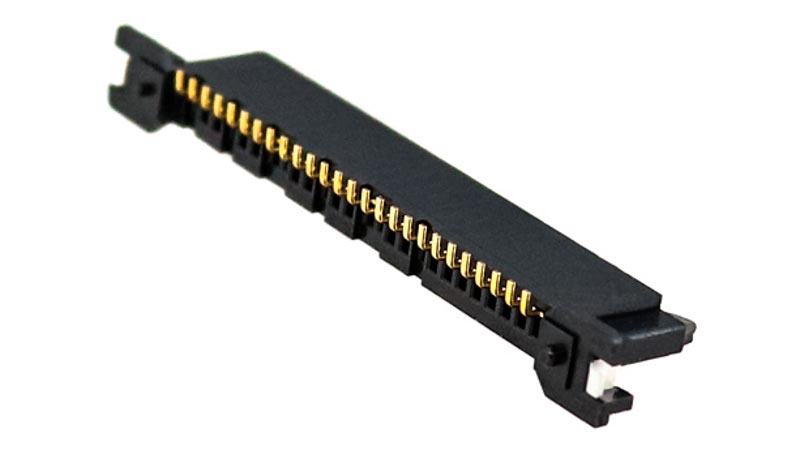
Epec can assist with a range of cable assembly, PCBA, and interconnect-related components, including:
- Single and dual row connectors
- Headers
- Pins
- Terminals
- Plastic housings
- Metal contacts
- FFC connectors
- Board-level interconnect components
- Custom cable assembly interface parts
- Elastomeric grommets, strain reliefs, and seals
- Injection-molded components like bushings and backshells
From Sample to Tooling to Production
Every project starts with understanding the original component and how it functions within the larger assembly. This may include reviewing an existing part, checking the mating interface, confirming mechanical fit, evaluating electrical requirements, and identifying any material or environmental considerations.
Once the requirements are understood, Epec can support the process from reverse engineering through production. This may include design review, tooling development, sample builds, fit checks, and production planning.
This gives customers a practical path forward when they cannot source the original part but still need to support ongoing production or field service requirements.
Material Options Based on Your Application
Material selection plays an important role in recreating obsolete components. The right material depends on the part design, operating environment, mating requirements, mechanical strength, electrical performance, and long-term reliability needs.
Depending on the application, material options may include nylon/PA66, glass-filled resins, ABS/PC blends, brass, copper, and other application-specific materials.
Contact and terminal plating are just as important as the parent material. Epec can support a wide range of material and plating options depending on the environmental applications.
In all situations, we work to match the original material requirements; however, there are situations where we may suggest equivalent materials. Plastic materials may be selected for housing strength, insulation, temperature resistance, or dimensional stability. Metal materials may be selected for conductivity, formability, contact performance, corrosion resistance, and durability.
Epec can help review the requirements and recommend material options that support the intended use of the component.
Reduce Supply Chain Risk for Legacy Products
Obsolete components can quickly become a supply chain problem, especially when production depends on limited inventory, aging stock, or hard-to-verify broker sources. These issues can affect lead times, quality, pricing, and long-term product support.
Reverse engineering and custom production can help reduce that risk by giving customers more control over the component supply. Instead of redesigning the product or relying on uncertain sourcing channels, customers may be able to recreate the needed component and continue supporting existing assemblies.
This can be especially valuable for products with long lifecycles, installed equipment, aftermarket service needs, or designs that cannot easily be changed.
Common Reasons Customers Need This Support
Customers often come to Epec when an obsolete component creates a larger production or field support issue. Common situations include:
- The original connector or component is no longer available
- The supplier has discontinued the part
- The existing design cannot easily be changed
- Too many products are already installed in the field
- A replacement component must match an existing mating interface
- Tooling is no longer available
- Broker sourcing has become too risky or inconsistent
- A custom-fit replacement is needed to maintain production
In these situations, reverse engineering can provide a practical alternative to redesigning the entire product.
Keep Your Product in Production
If an obsolete connector, terminal, header, pin, or related component is creating supply chain risk, Epec can help review your options. Our team can evaluate the existing part, determine whether reverse engineering is practical, and support the tooling, sampling, and production process.
Send us a sample, drawing, photo, or available design information, and we can help determine the best path forward.
Financial Considerations
When evaluating a custom product such as this, it is essential to consider the financial implications early in the process. Key factors include upfront tooling costs, qualification and testing expenses, and the expected longevity and annual volume of the program. For most applications, the investment required for custom plastic housings, stamped or machined contacts, and associated tooling is substantial and should not be underestimated.
As a result, any projected annual savings, performance improvements, supply chain advantages, or changeover benefits associated with a new design or replacement component must be significant enough to justify the development costs. The economics of the project must support the investment over the expected life of the program.
For this reason, one of the first discussions with our team should focus on the business case and financial viability of the opportunity. By reviewing expected volumes, program life, development costs, and potential return on investment upfront, we can collectively determine whether pursuing a custom solution is the right path forward.
Frequently Asked Questions
Quick Links
- Can you recreate a component without the original drawings?
- How do you ensure the replacement part matches the original form, fit, and function?
- What types of components can be reverse-engineered?
- Can you match the original materials and plating?
- What are typical timelines from sample to production?
Can you recreate a component without the original drawings?
Yes. Work can begin from an existing sample, mating component, photos, or partial documentation. Geometry, fit, and function are evaluated to develop a manufacturable design.
How do you ensure the replacement part matches the original form, fit, and function?
The process includes dimensional analysis, mating interface verification, material evaluation, and functional review. Samples are produced for fit checks and testing before moving to production.
What types of components can be reverse-engineered?
Support includes connectors, headers, pins, terminals, housings, contacts, FFC connectors, board-level interconnects, cable interface parts, and related molded or metal components.
Can you match the original materials and plating?
The goal is to match original material and plating requirements when possible. Equivalent materials may be recommended based on availability, performance, and application needs.
What are typical timelines from sample to production?
Timelines vary based on part complexity, tooling requirements, and validation needs. Projects typically move through evaluation, design, tooling, sampling, and then production once requirements are confirmed.
Have an Obsolete Cable Component?
From discontinued connectors and terminals to custom interconnects, our engineering team can reverse engineer obsolete components, develop complete manufacturing documentation, and help transition your product back into production.
Request a Quote Request Design Support Request More InformationRequest a FREE Quote!
We are here to help create a cable assembly that will exceed your requirements.
Get Your Quote Now! Not Ready for a Quote? Request more info or email us your inquiry.